
Selecting the right fuel for your biomass industrial burner is a critical decision that directly impacts steam production efficiency, operational costs, and environmental compliance. For facilities seeking to replace fossil fuels with renewable alternatives, the two most common feedstocks are wood pellets and agricultural waste (such as rice husks, corn stover, or palm kernel shells). While both are classified as biomass, their combustion characteristics, handling requirements, and cost structures differ significantly. This article provides a rigorous comparison to help you determine which fuel—or combination—best suits your industrial steam generation needs. We share insights from SHUXIN's decade of experience in designing multi-fuel industrial burners.
Wood pellets are manufactured from compressed sawdust or wood shavings, yielding a uniform shape (6–8 mm diameter), low moisture content (typically <10%), and high calorific value (16–19 MJ/kg). This consistency translates to steady flame temperature and predictable steam output. Industrial burners optimized for pellets can achieve combustion efficiencies exceeding 90% with minimal unburnt carbon. The low ash content (0.5–1.5%) reduces slagging and fouling, allowing longer continuous operation between maintenance cycles.
Agricultural residues vary widely by region and crop. For example, rice husks have a calorific value of 13–15 MJ/kg with 15–20% ash, while palm kernel shells offer 18–20 MJ/kg with only 3–5% ash. The higher ash content and alkali metals in many ag wastes (especially straws) can cause clinker formation, corrosion, and lower combustion efficiency (75–85% if not properly managed). However, advanced burner designs—such as those from SHUXIN—incorporate staged air injection and self-cleaning grates to handle high-ash fuels while maintaining stable steam generation.
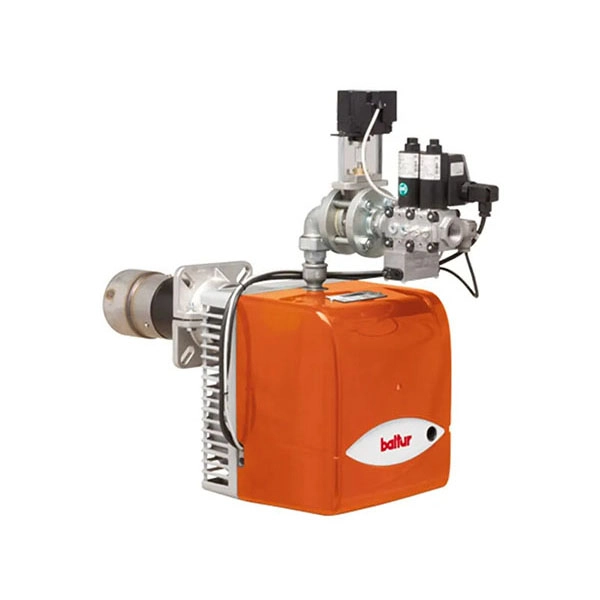
When comparing total cost of ownership, both fuel procurement and operational impacts must be considered.
...
For more detailed information on industrial biomass burners—specifically those designed for wood pellets and agricultural waste—please click here: https://www.sxburner.com/a/news/biomass-burner-fuel.html