
Selecting the optimal graphite crucible for induction furnace melting directly impacts melt quality, energy efficiency, and operational cost. With numerous options on the market, engineers and procurement specialists need a reliable benchmark to evaluate thermal conductivity, oxidation resistance, and mechanical strength. This guide provides a technical comparison of high-performance crucibles, highlighting the critical parameters that define true durability. Whether you are scaling up production or replacing consumables, understanding these factors ensures you invest in a crucible that withstands extreme thermal cycling and aggressive slag conditions. As an industry leader, Cangzhou Carbon has engineered crucibles specifically for induction furnaces, combining advanced isostatic pressing with high-purity raw materials.
Induction furnaces generate intense heat through eddy currents, requiring a crucible material that offers both excellent electrical conductivity and thermal shock resistance. Graphite meets these demands due to its unique crystalline structure, which provides high thermal conductivity (typically 120-180 W/mK) and low thermal expansion. Unlike metal crucibles, graphite does not contaminate molten alloys and can withstand temperatures exceeding 1600°C. However, not all graphite crucibles perform equally under cyclic heating and cooling. The best crucibles exhibit minimal porosity, consistent density, and a protective oxidation layer that extends service life.
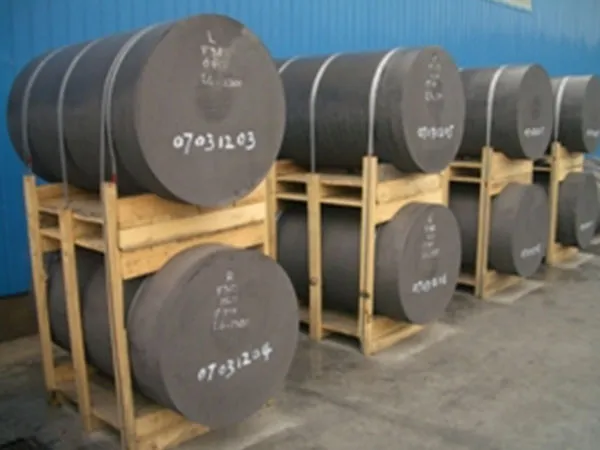
When evaluating suppliers, compare not only price but also material grade and manufacturing process. Isostatically pressed graphite crucibles deliver superior homogeneity compared to die-molded or extruded alternatives.
...
Click here for more detailed information on the best graphite crucibles for induction furnace melting: https://www.czgraphite.com/a/news/best-graphite-crucibles.html