
Slewing bearings are critical components in heavy machinery such as cranes, excavators, and wind turbines. When they generate abnormal noise, it often signals underlying issues that can lead to costly downtime or catastrophic failure. Understanding the root causes and implementing effective solutions is essential for maintaining equipment reliability. This comprehensive guide explores the common noise types, their origins, and proven diagnostic and repair strategies — with practical insights from LYMC, a trusted name in slewing bearing engineering.
Noise from a slewing bearing is rarely random; it follows patterns that can be categorized for easier diagnosis. Recognizing these patterns helps technicians narrow down the cause quickly.
A low-frequency grinding sound often indicates contamination or inadequate lubrication. When debris such as sand, metal shavings, or rust particles enter the raceways, they cause abrasive wear. Similarly, insufficient or degraded grease leads to metal-to-metal contact, producing a steady rumble during rotation.
Irregular sharp sounds point to localized defects. These may be caused by pitting, spalling, or cracks on the raceway surfaces, or by foreign objects trapped between rolling elements. In some cases, a loose mounting bolt can cause the bearing ring to shift, generating a clicking noise as the bearing rotates.
High-frequency noise often stems from lubrication failure — either the wrong grease type, excessive friction, or starvation of lubricant. It can also indicate misalignment, where the bearing is forced to operate outside its designed angular tolerance.
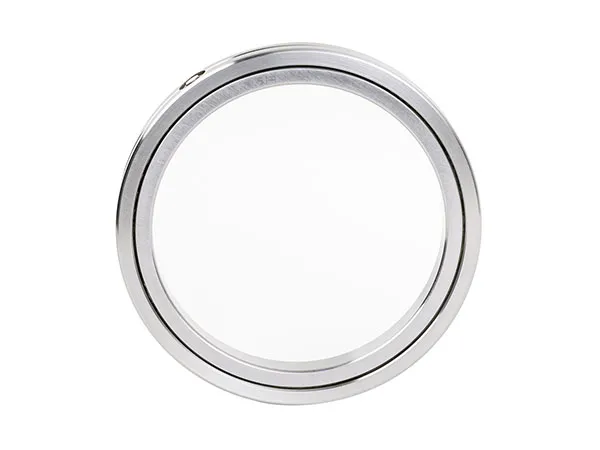
Understanding the underlying mechanisms enables targeted solutions. Below are the most frequent causes identified through field experience and engineering analysis.
...
For more detailed information on slewing bearing noise diagnosis, causes, and solutions, please click to visit: https://www.mcslewingbearings.com/a/news/bearing-noise-guide.html