
Slewing bearings (also known as turntable bearings) are indispensable key components in modern construction machinery, wind power equipment, port cranes, and other large machinery. Their manufacturing process is complex, involving multiple stages such as material selection, precision machining, heat treatment, assembly, and testing. Understanding the manufacturing process of slewing bearings not only helps improve equipment performance but also provides professional reference for procurement and engineering design. This article will provide a detailed analysis of the manufacturing process and steps of slewing bearings.
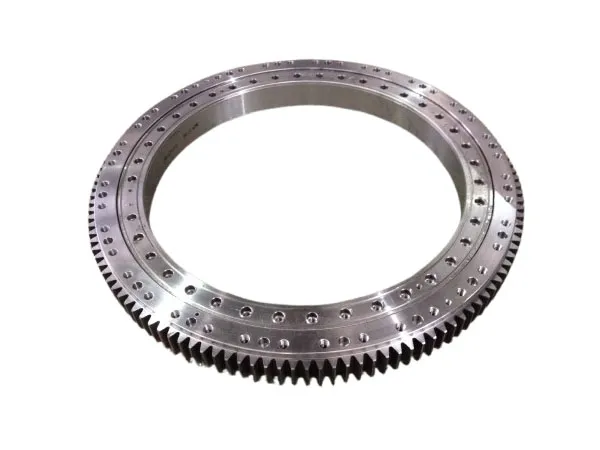
As a crucial component of large machinery such as engineering machinery, wind power equipment, and port cranes, the performance of slewing bearings directly depends on material selection and manufacturing precision. High-strength, wear-resistant steel forms the foundation of bearing performance, while the material of the rolling elements determines service life and operational stability.
Outer and Inner Rings: High-strength alloy steel or carbon structural steel, possessing excellent fatigue resistance and machinability.
Rolling Element (Ball or Roller): High-hardness bearing steel, hardened to ensure wear resistance and fatigue resistance.
Lubrication System Materials: Corrosion-resistant and high-temperature resistant, ensuring long-term stable operation.
Through scientific material selection, the load-bearing capacity and service life of slewing bearings can be effectively improved.
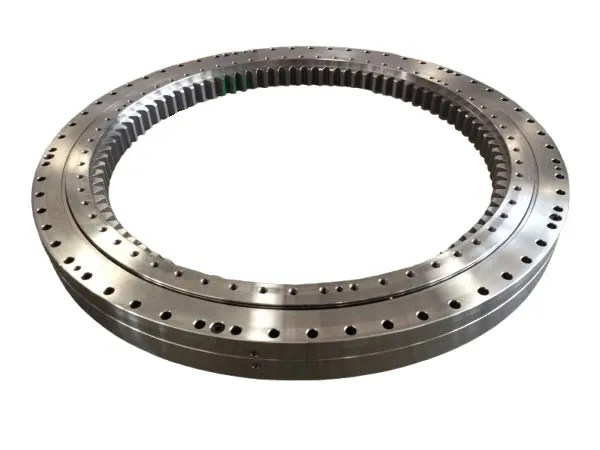
The manufacturing process of slewing bearings is a multi-step, sophisticated engineering process designed to ensure the product’s high strength, wear resistance, and long-term reliability.
...
For more detailed information on the manufacturing process of slewing bearings, please click to visit: https://www.lynicebearings.com/a/blog/slewing-bearing-manufacturing-process.html