
A rolling mill is usually the second-largest investment a jewelry studio makes after the bench itself, and unlike a torch or a set of files, it quietly determines what the rest of your workshop can produce. Buy the wrong one and you will fight it for a decade: sheet that never stays flat, wire that drifts oval, a crank that takes two hands and a shoulder to move. Because most buyers only purchase one or two mills in a career, there is very little room to learn from trial and error. This guide breaks the decision into the variables that genuinely change daily work, from roll geometry and gear ratio to drive type and supplier support, so you can specify the right machine the first time.
Before comparing catalogs, describe your own bench honestly. A mill is a metal-forming machine, and every feature exists to serve one of a small number of tasks.
If ninety percent of your work is sheet-based, such as bezels, bangles, and hollowware, a flat-roll machine with a wide face is the correct answer. If you are a chain maker or a wire-centric production shop, wire grooves matter more than a wide flat section. Only when you genuinely need both should you pay the premium for a combination mill.
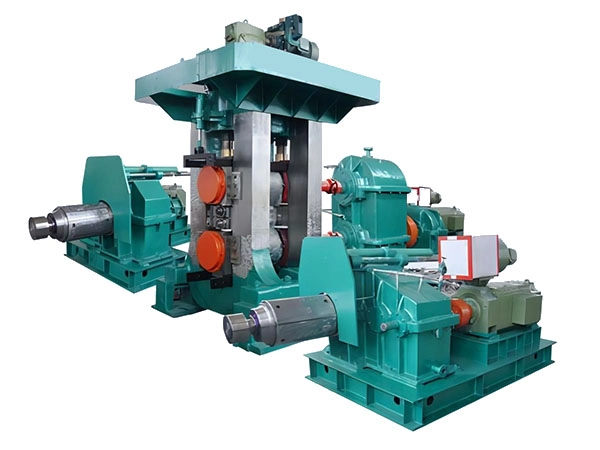
A combination mill accepts a compromise in exchange for reach: the flat section is usually a little narrower than a dedicated flat mill of the same frame size, and the grooves occupy roll width that could have been used for sheet. For most independent studios this trade is worth it, because the alternative is buying two machines. For high-volume sheet production, however, a dedicated flat mill with a wide face and a heavy frame will out-produce and out-last a combination unit.
...
For more details on how to choose a rolling mill for jewelry making, please click here: https://www.gyssljx.com/a/news/rolling-mill-g_21cc5.html